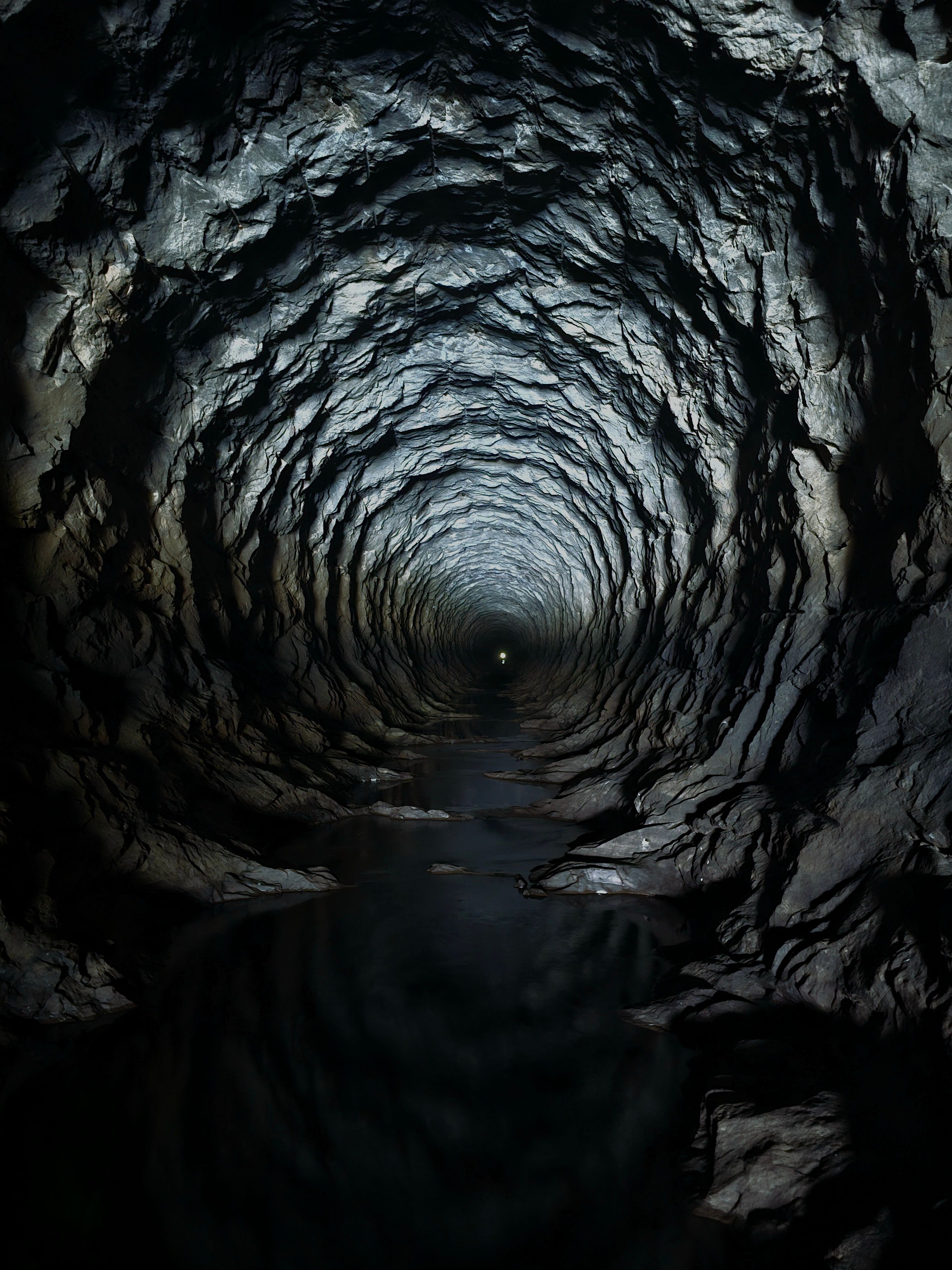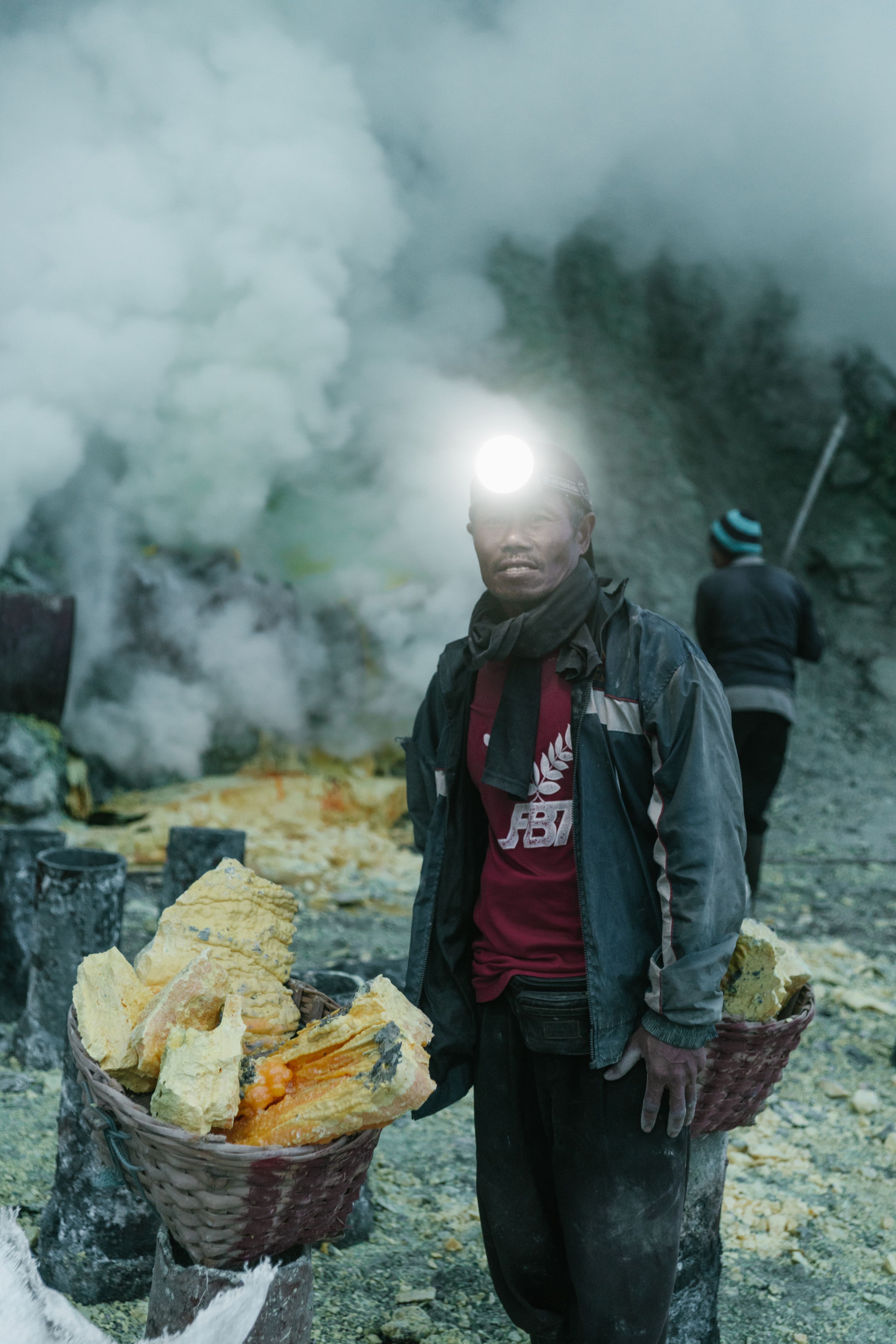
Every incident is foreseeable. So we go and foresee it.
That is not a comfortable position to hold, because it removes bad luck as an explanation. It is the one we hold anyway.
Our policy
If a hazard can be foreseen, it can be designed out, engineered against, or removed from the plan. Everything else is administrative control — useful, but the weakest thing in the hierarchy.
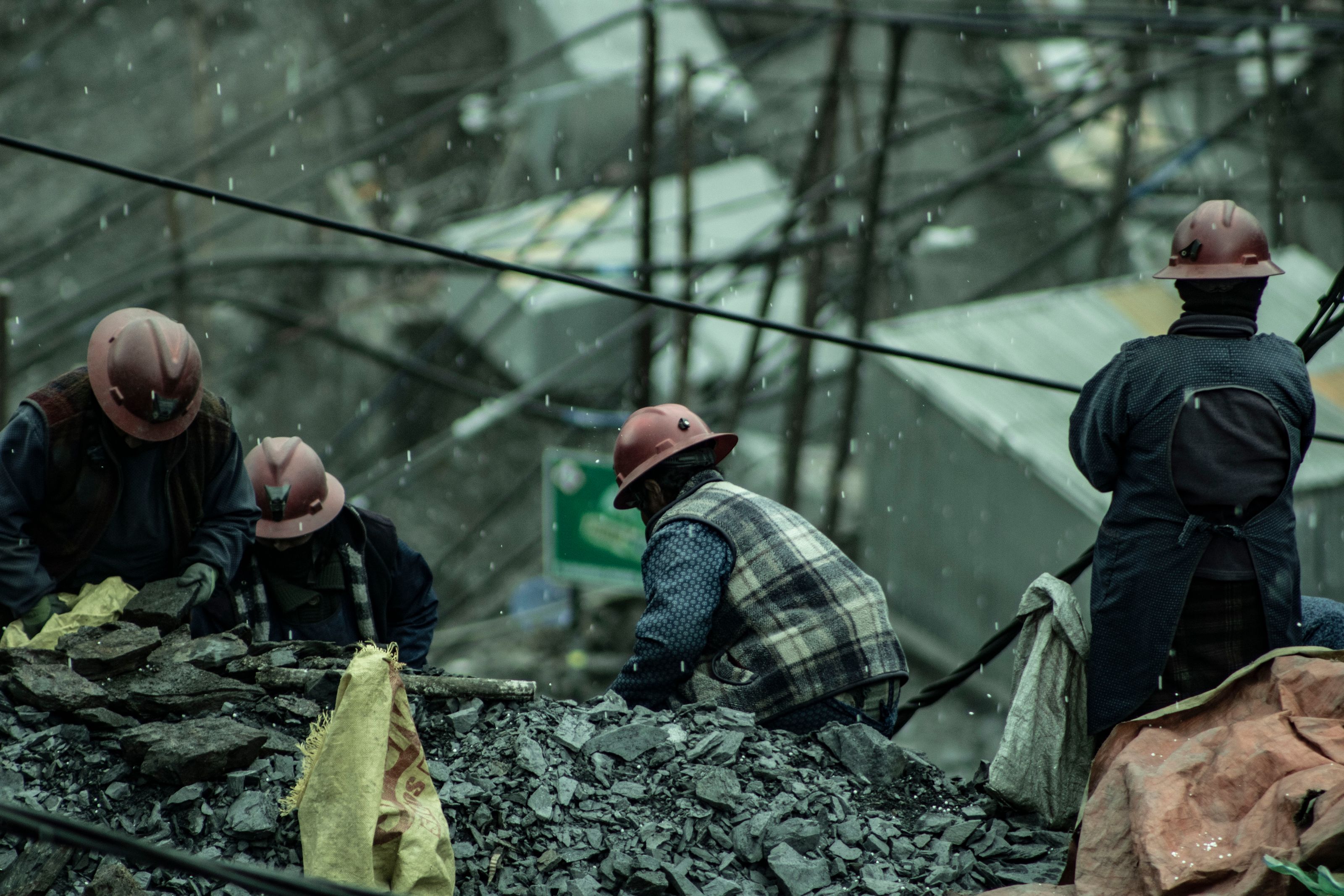
Nobody gets talked out of stopping work.
Stop-work authority is worth exactly as much as the response the first person gets for using it. Ours is written down, and it has been used on our own supervisors.
A safe and healthy workplace for every person on the shift — employee, contractor or visitor.
Unconditional authority for anyone to stop work on ground or equipment they judge unsafe.
Every incident and near-miss investigated to root cause and closed out in writing.
Regulation treated as the floor. Where our own standard is higher, ours governs.
Occupational health monitoring — dust, noise, diesel particulate, vibration — reported to the workforce, not just the regulator.
How it actually runs
A safety system is a set of habits with a fixed cadence. These are ours.
Ground conditions, planned work, changed conditions since last shift. It does not get shortened because the schedule is tight.
Every active heading scaled and inspected before entry, logged against the support register.
Every report raised that week triaged, assigned and given a close-out date in front of the crews who raised them.
Mine rescue, fire and evacuation drills run against the real ventilation and refuge layout, not a tabletop.
Independent geotechnical review of the support standard against measured conditions.
Third-party audit of the health and safety management system, findings published internally in full.