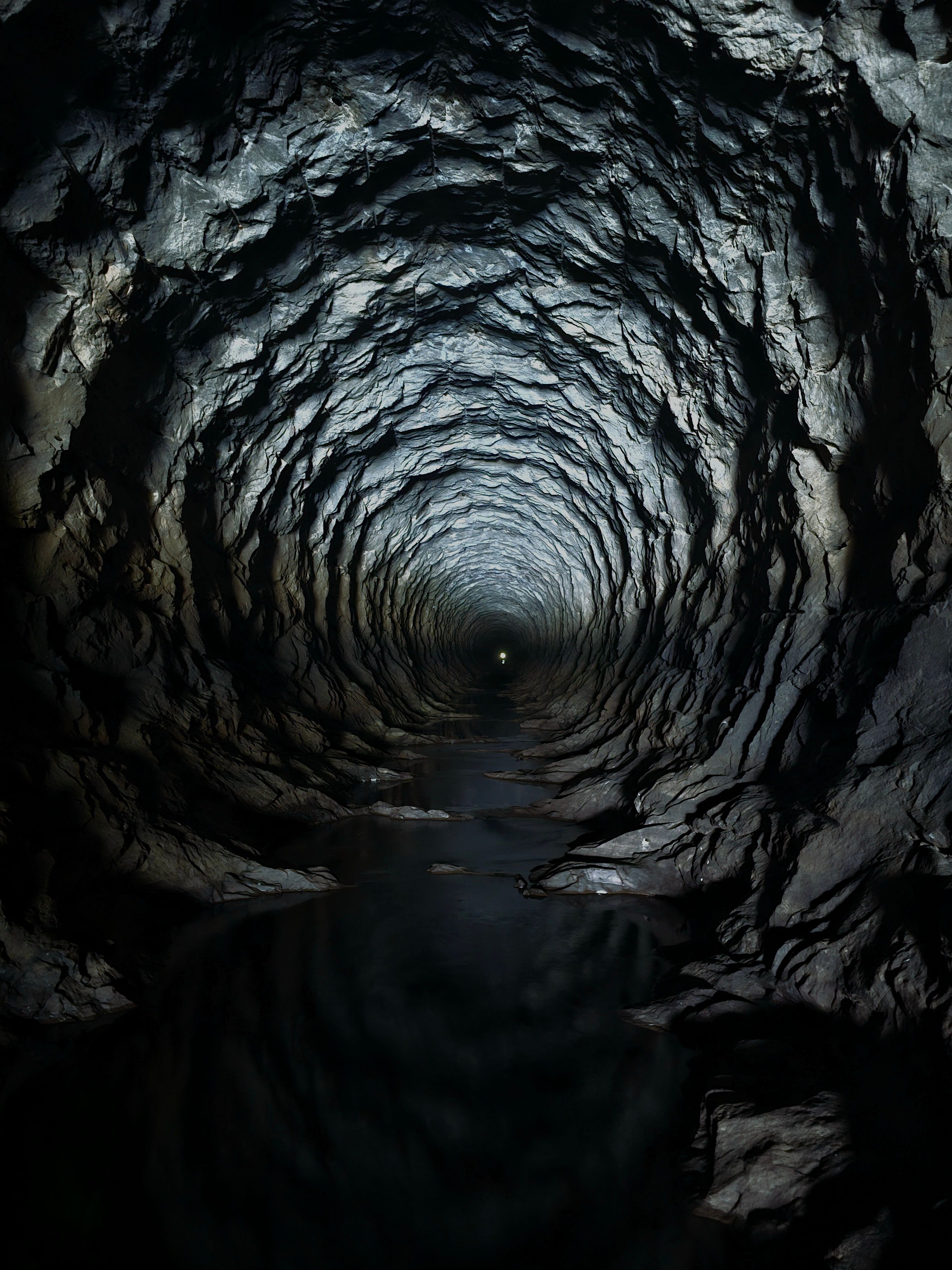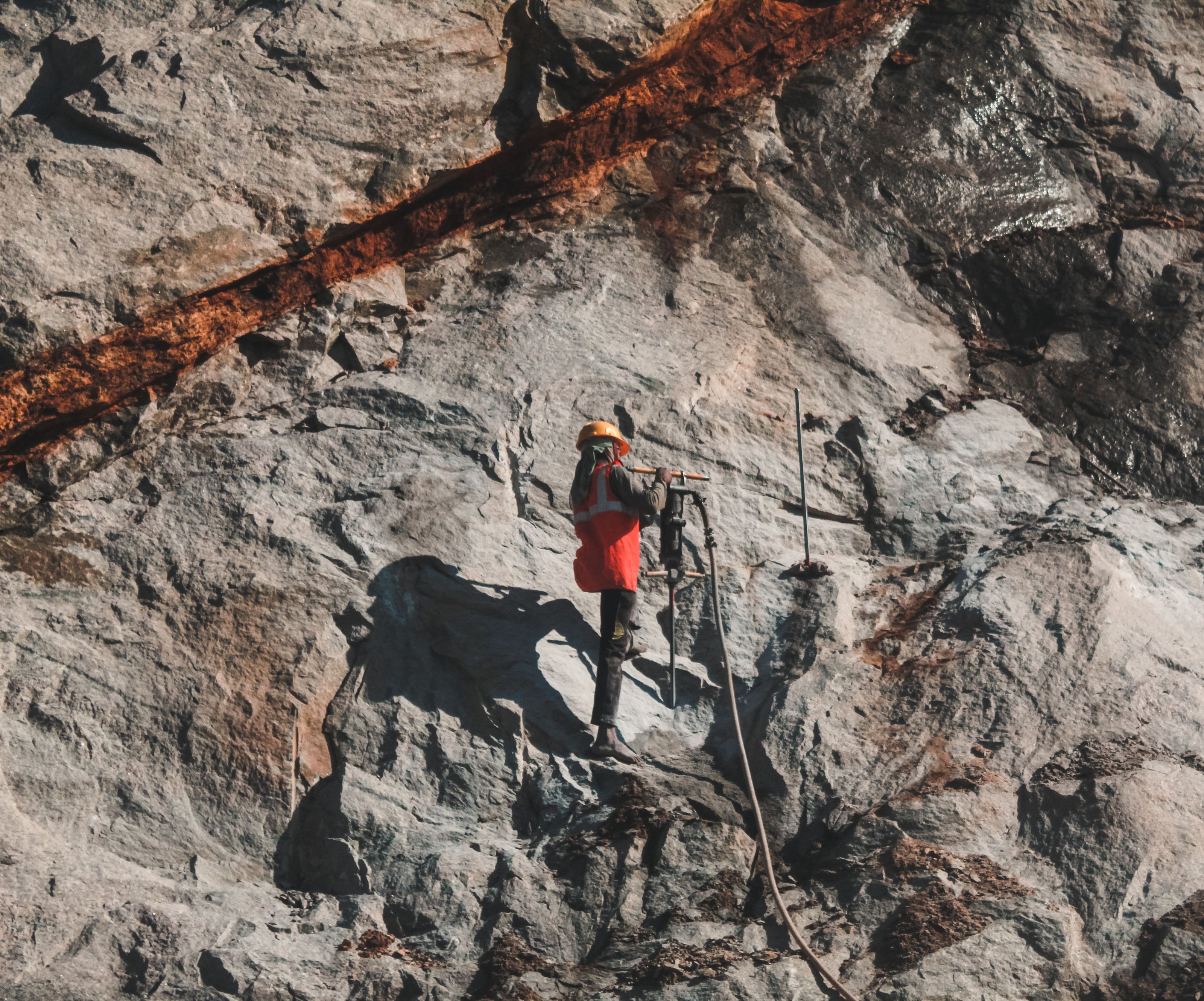
The whole cycle, or the one part you need covered.
Five disciplines that run from the first geotechnical model to the last bucket out of the stope. Most clients take two or three. Some hand us the entire underground.
What we do
We are a contractor, not a consultancy. Everything below is something we self-perform with our own crews, our own fleet and our own supervision.
Engineering
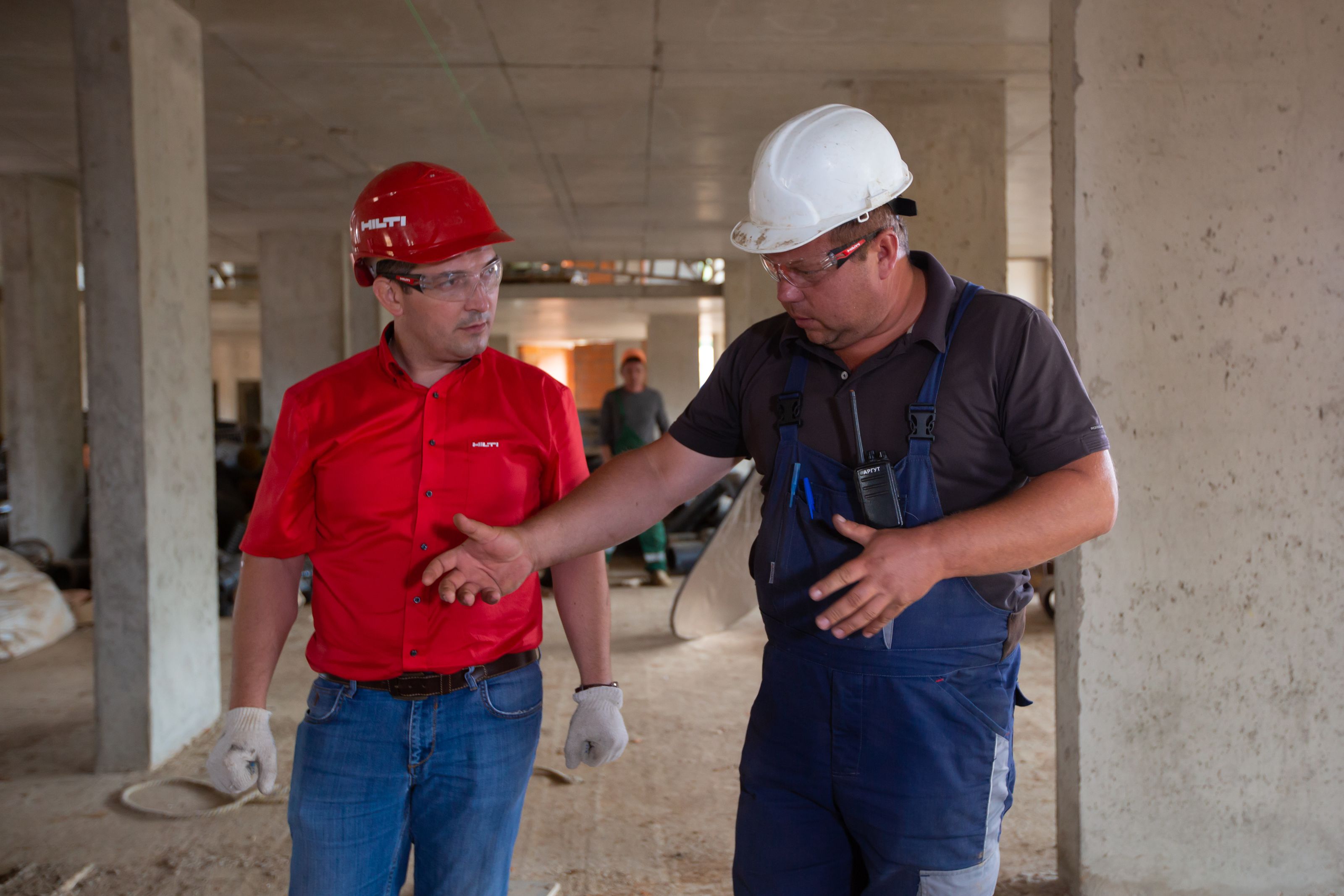
We model the ground before anyone touches it.
Mine design, ventilation modelling and geotechnical sequencing, built from the drill core outward. Our engineers sit with the client's technical team from the first scoping meeting, because a plan that ignores how the rock actually behaves is a plan that gets rewritten underground at four times the cost.
- 01Mine design and scheduling
- 02Ventilation network modelling
- 03Geotechnical characterisation
- 04Constructability review
Ground Support & Fortification
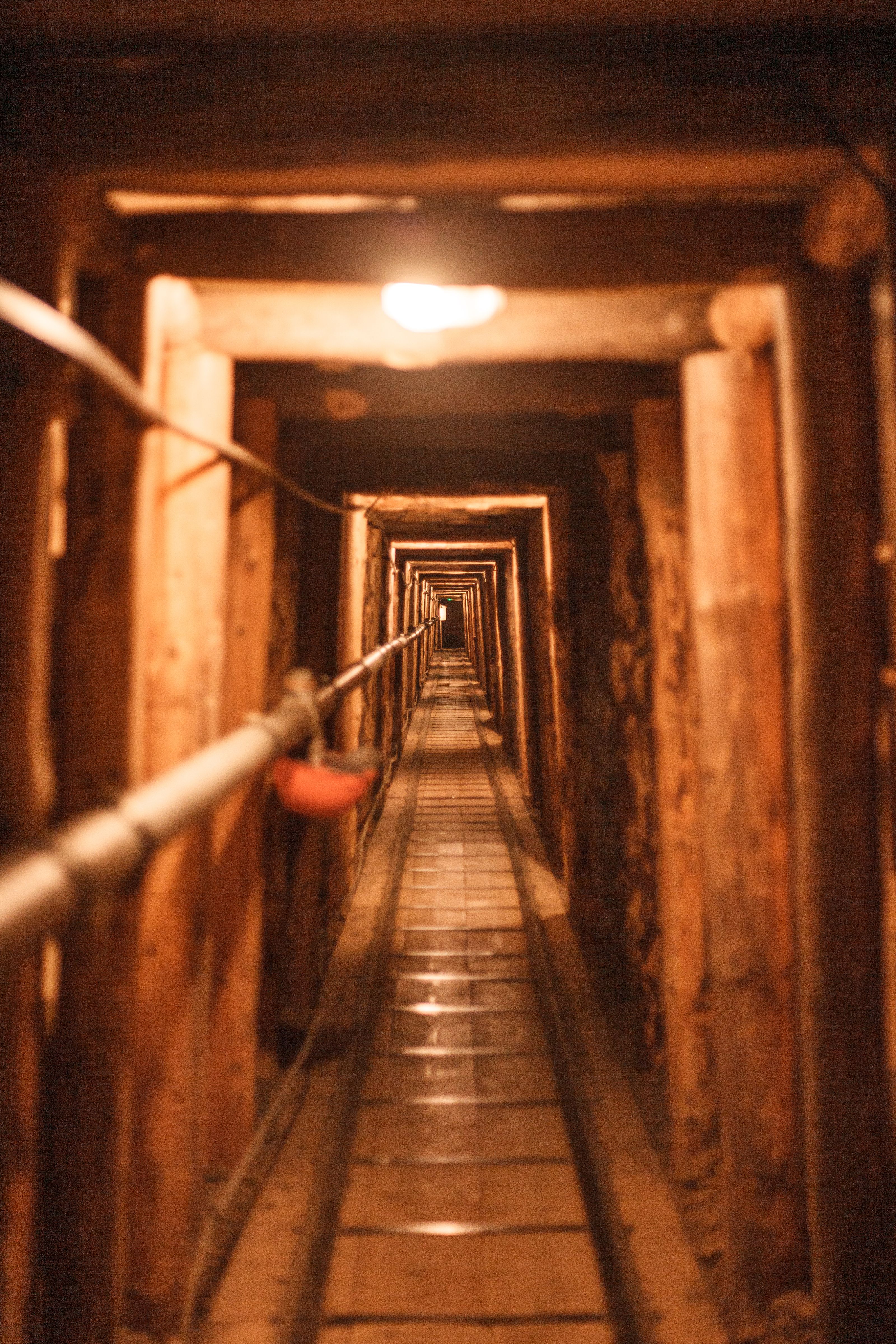
Holding ground that would rather not be held.
Resin and friction bolting, welded mesh, fibre-reinforced shotcrete and steel sets, specified against measured rock mass rating rather than habit. In squeezing or seismically active ground we instrument the support and watch it, so the decision to add more is made on data instead of nerves.
- 01Resin, friction and cable bolting
- 02Fibre-reinforced shotcrete
- 03Welded mesh and steel sets
- 04Convergence monitoring
Development
Metres, cut to survey line, shift after shift.
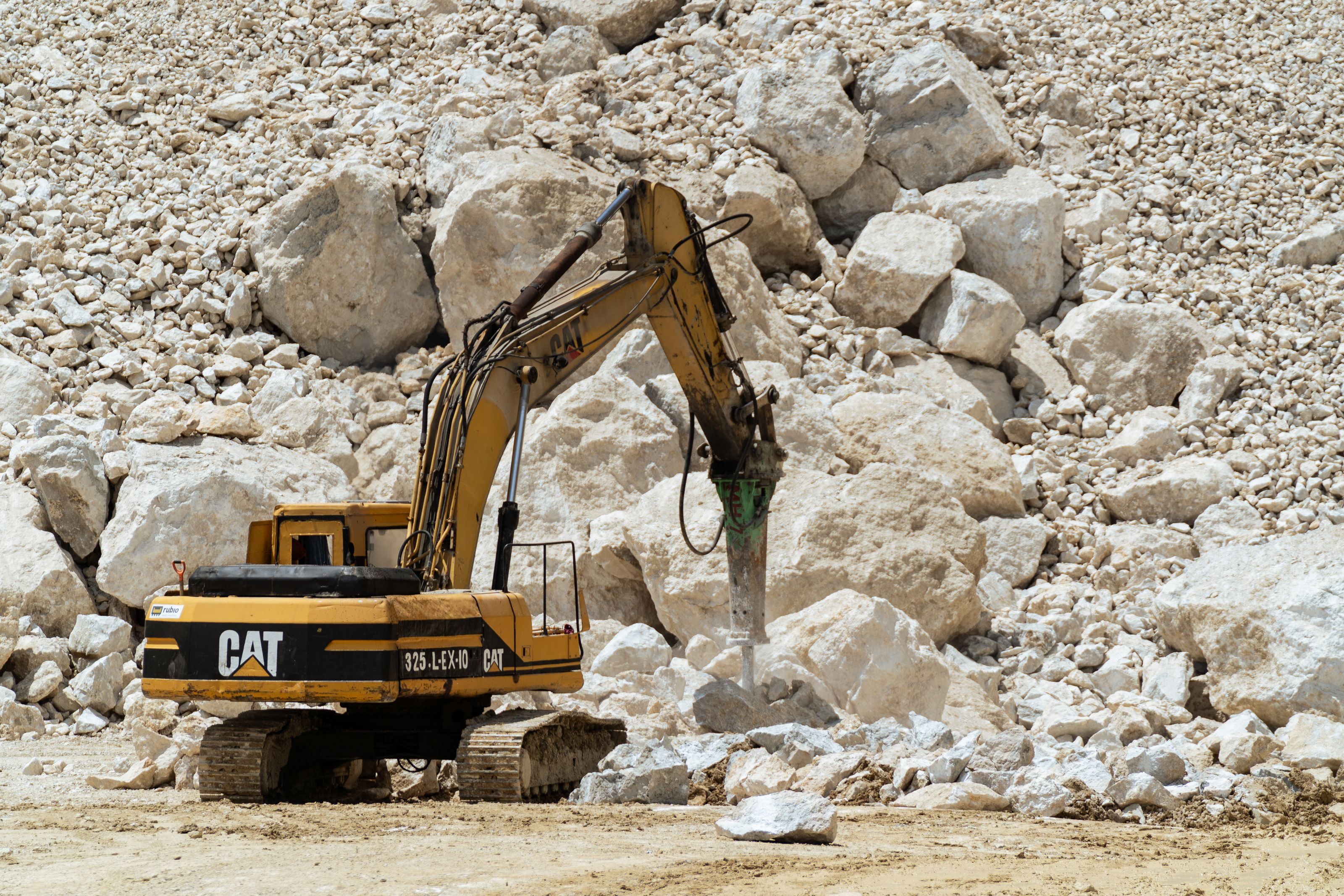
Ramps, declines, cross-cuts and ore drives by drill-and-blast. Our jumbos are instrumented and our perimeter control is deliberate, which keeps overbreak low and support costs predictable. Advance rate matters, but a straight, correctly profiled heading matters more to everything downstream of it.
- 01Ramp and decline advance
- 02Lateral and cross-cut development
- 03Raise and ventilation excavation
- 04Controlled perimeter blasting
Production
Tonnes out, dilution down, back intact.
Longhole open stoping, cut-and-fill and mechanised room-and-pillar, sequenced against the stress model. We plan the extraction order and the fill cycle together, because the stope you mine third determines whether the stope you mine fifth is still there.
- 01Longhole open stoping
- 02Cut-and-fill mining
- 03Paste and rock fill placement
- 04Grade and dilution control
Hauling
The cycle that never gets to stop.
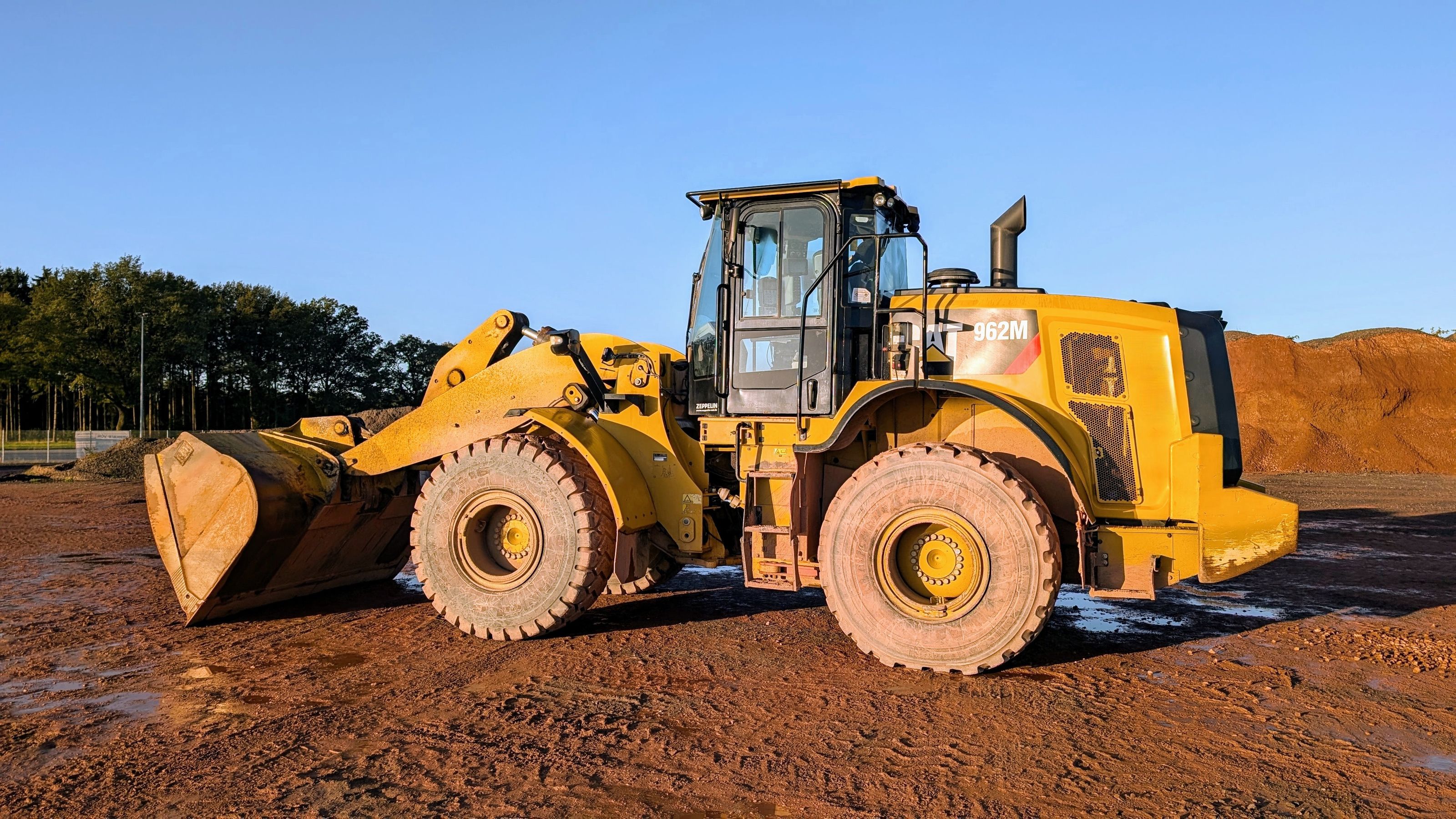
LHD mucking and low-profile truck haulage on a live dispatch system, with tramming distances and queue times measured per unit per shift. Haulage is where a well-run mine quietly earns its margin and a badly run one quietly loses it.
- 01LHD mucking and tramming
- 02Low-profile truck haulage
- 03Dispatch and fleet telemetry
- 04Ore pass and stockpile management
How a contract runs
Four stages, and a written handover at every boundary. Nothing moves to the next stage on a verbal.
We walk the ground, read the core and price against a schedule we believe, not one that wins the tender.
Fleet, crews and workshop capacity committed and on site, with the ground control management plan signed before the first round.
Daily advance, tonnage and availability reported against plan. Variance gets explained the same week, not the same quarter.
As-built survey, support register and equipment condition report. You get the mine back documented.
Pre-shift, ground inspection and incident review on a fixed cadence that does not flex for schedule pressure.
Local hiring targets, water management and closure obligations tracked as deliverables like any other.